

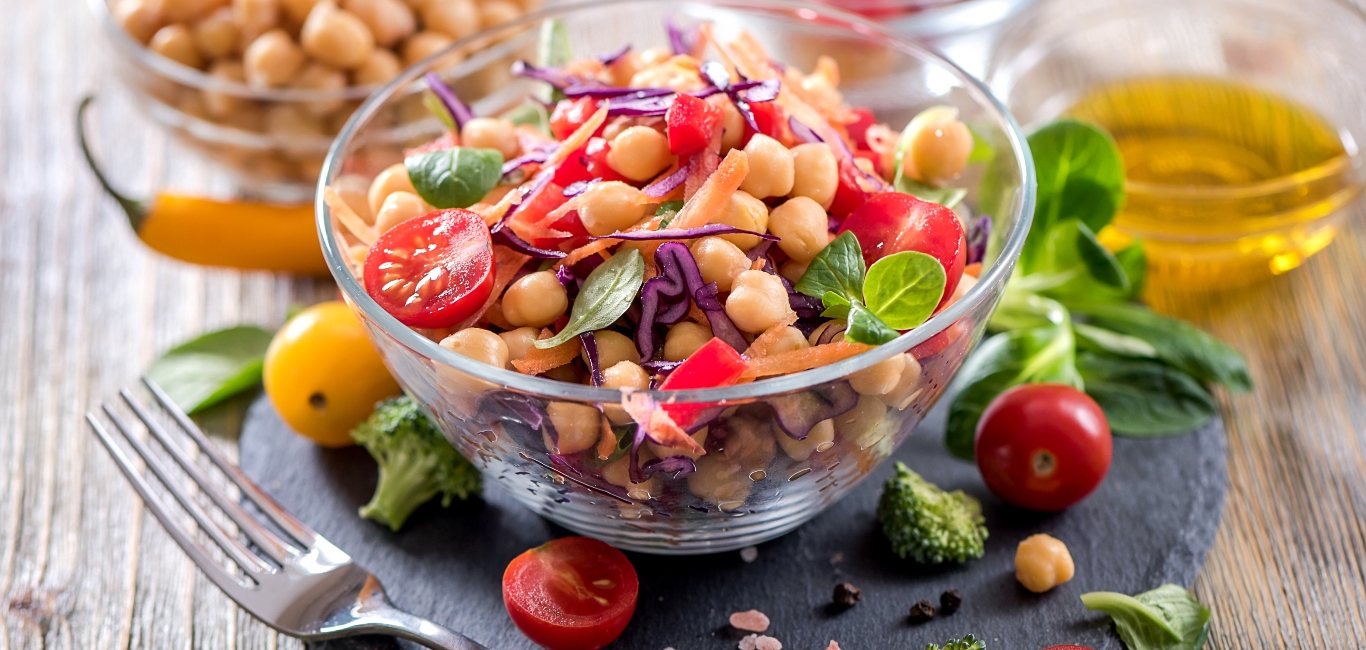
When you think of protein, your mind probably jumps to chicken, steak or maybe eggs. But did you know that some of the best foods for heart health are completely plant-based?
In this post, we’ll explore the benefits of plant-based proteins and share 6 easy protein swaps to help support your heart, improve your cholesterol levels, and keep those arteries flowing freely.
What Are Plant-Based Proteins?
As the term implies, Plant-based proteins come from plants like legumes, whole grains, nuts, seeds, and vegetables. Unlike their animal-based counterparts, they’re:
- Naturally cholesterol-free
- Low in saturated fat
- Packed with fibre, vitamins, and antioxidants
And yes—they can provide all the protein your body needs.
High-quality plant-based diets can provide as much protein as you can find in animal protein sourced from meats or animal by-products.
Explore African Herbs: Exploring the Healing Power of African Medicine
Why Are Plant-Based Proteins Good for Your Heart?
Plant proteins include beans, legumes, nuts and seeds, and lentils that are sourced from plants and vegetable sources. The following are some benefits that plant proteins bring to the overall health of your heart:
- Improve Blood Vessel Function: The nitric oxide component of certain types of amino acids, such as arginine, can improve vascular function.
- Lower Risk of Heart Disease: Plant-based proteins are naturally low in saturated fat while being cholesterol-free. Thus, they help to reduce LDL (bad) cholesterol levels, thus lowering your risk of heart disease.
- Boost Fibre Intake: Plant-based proteins such as legumes, nuts, and seeds are a source of fibre, healthy fats, and essential nutrients. These also help to lower cholesterol and regulate blood sugar.
- Reduce Blood Pressure: Research studies indicate that foods that are rich in plant-based proteins can aid in the regulation of blood pressure, thanks to potassium-rich sources.
- Decrease Triglyceride Levels: Swapping red meat with plant-based swaps can help you manage triglyceride (a type of fat in the blood) levels. This is because the levels get higher with the consumption of red meat.
Discover 10 Cholesterol‑Lowering Foods Everyone Should Own in Their Kitchen
Let’s now delve into 6 plant-based protein swaps you can use to support the health of your heart.
Six Simple Plant-Based Protein Swaps for Better Heart Health
1. Swap Red Meat for Beans and Legumes
Red meat (even lean cuts) has the benefit of providing you with protein and minerals like iron and zinc. But it would be a mistake to eat too much of it. Excess intake of red meat can increase your risk of heart disease.
Likewise, eating processed meats such as sausages, bacon, and salami is not great for heart health.
Rather, you should take the step of swapping some red and processed meat varieties for plant proteins like;
- Black beans
- Chickpeas
- Lentils
- Kidney beans
Try chilli with black beans instead of ground beef, or use lentils in shepherd’s pie. They’re packed with protein, fibre, and zero cholesterol.
Read Also: How legumes support heart health
2. Ditch Processed Meats for Whole Plant Proteins
Processed meats like bacon, hot dogs, and sausages are a major risk factor for heart disease and have also been associated with increased risks of type 2 diabetes. Thus, substituting red meat or processed meat with plant-based proteins such as whole grains/cereals, nuts, and legumes is advisable.
Smart swaps may include:
- Swap processed meat and eggs with nuts, legumes, or whole grains.
- Swap dairy with nuts.
- Instead of going for processed meats such as ham, bacon, and sausages, you can swap them with tinned tuna, roast chicken, or eggs.
- Swap the sausages in wraps and burgers with meat patties or homemade veggies.
- Use tempeh or tofu in sandwiches

3. Replace Animal-Based Fats with Heart-Healthy Plant-Based Proteins
Plant-based proteins can serve as great alternatives to animal-based proteins while significantly benefiting heart health. Alternatives such as legumes, tofu, nuts, and seeds can provide you with protein, fibre, and healthy fats. At the same time, they can lower your blood pressure and cholesterol levels.
Here are some great ways to choose these heart-healthy alternatives. Try:
- Avocados in place of mayo or cream
- Olive oil instead of butter for sautéing
- Nut butters instead of cheese in sandwiches
- Flaxseed or chia eggs for baking
These plant fats are rich in omega-3 fatty acids and monounsaturated fats, both linked to better heart function.
4. Use High-Fibre Protein to Lower Cholesterol
Another reason to go for plant-based proteins is that they are rich in fibre and can help lower cholesterol levels. This is good for your heart. For example, you can eat plant-based protein such as;
- Quinoa
- Amaranth
- Barley
- Buckwheat
These grains are also complete proteins, meaning they contain all essential amino acids. Swap white rice for quinoa or toss some barley into soups for an easy fibre upgrade.
5. Choose Plant-Based Meat Alternatives
Instead of going for regular meat, you can opt for plant-based meat alternatives such as those that are made from pea protein, soy, or mushrooms. You can use these as worthy and delicious alternatives in burgers and sausages.
Look for:
- Brands made with whole ingredients (like lentils or mushrooms)
- Minimal sodium and additives
- Fortified products with iron and B12 (especially important for vegans)
Use them in burgers, tacos, stir-fries, or pasta dishes.
Also read: The Top 5 Benefits of Using Smart Medical Devices in Modern Healthcare
5. Add Nuts and Seeds
Nuts and seeds such as walnuts, almonds, flax seeds, and chia seeds are rich in protein, healthy fats, antioxidants and fibre. They can help reduce total and LDL cholesterol (known as bad cholesterol). In addition, they help to lower your risk of heart disease. Consider the following ways of adding nuts and seeds to your diet:
- Your pasta dishes will fare better if you add pine nuts and walnuts.
- Cashews, peanuts, and sesame seeds can go well with stir-fries.
- Flavour salads with almonds, walnuts or sunflower seeds. They’ll also give it that extra crunch.
- Your porridge, cereal or yoghurt can do with some sprinkled chopped nuts or seeds.
Try walnuts, chia seeds, hemp seeds, or almonds for the best heart-supporting nutrients.
Learn The Benefits of Omega-3 Fatty Acids: Essential Nutrients for Health
Pro Tips for Your Plant-Based Protein Swaps
- One Step at a Time: Start your swap-outs with a few meals and gradually add more plant-based proteins.
- Favour Whole Foods Over Highly Processed Ones: Choose whole and unprocessed plant proteins, such as beans over highly processed foods.
- Pair Plant Proteins: It’s okay to combine plant-based proteins to get a complete source of protein. For example, you can pair brown rice and beans.
- Keep Other Heart-Healthy Foods in Mind: It’s beneficial to add enough fruits, vegetables, and whole grains to your diet, too.
Related: Workout Nutrition 101: What to Eat Before and After Exercise
Embrace a Heart-Healthy, Plant-Based Lifestyle
Swapping animal protein for plant-based options doesn’t mean sacrificing flavour—it means gaining health. Every meal is a chance to protect your heart, boost your energy, and support your long-term well-being.
Start with one simple swap today and build your heart-healthy habits over time. You don’t have to go 100% vegan—just more plant-powered with every plate.
