

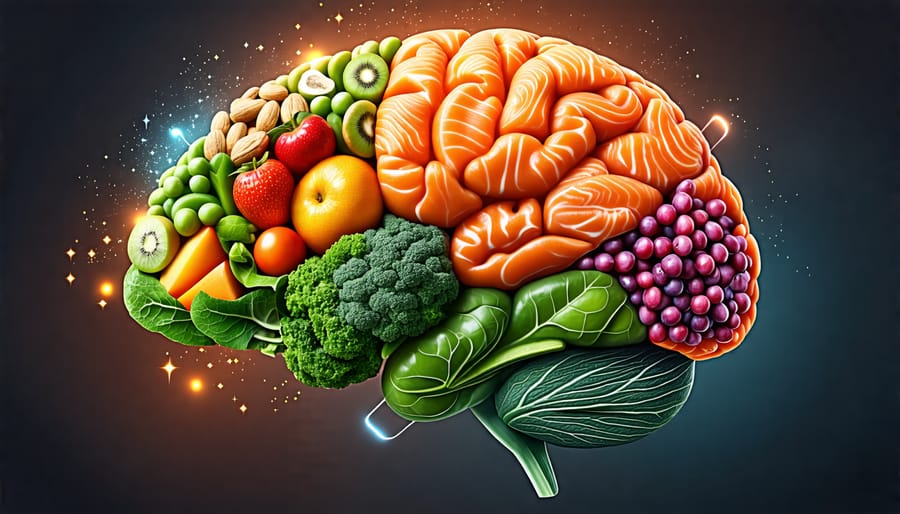
You’ve probably heard the phrase “you are what you eat”, but what if we told you that what you eat also plays a huge role in how you feel?
Your gut is home to trillions of bacteria and microorganisms—collectively known as the gut microbiome. These tiny residents do more than help you digest food—they also communicate with your brain through a powerful network known as the gut-brain axis.
This gut-brain connection sends chemical messages that influence your mood, stress levels, cognitive function, and even your risk of depression or anxiety.
Therefore, you have all the reasons to eat for the needs of your gut. This article will make things easy by considering the gut-brain connection and 6 dietary changes to improve mental health.
Learn 7 Powerful Hacks for Coping with OCD in the Workplace
The Gut-Brain Connection
There is a communication system that exists between your gut and brain called the gut-brain axis. The diverse community of microbes in the gut-brain axis communicate with the central nervous system. It is both a physical and a biochemical connection that influences your mood and cognitive function.
This benefit is owed to the trillions of bacteria lining your gut. In fact, the different types of bacteria in this location perform functions that include the following:
- The production of vitamins, hormones, or chemical messengers
- The training of the appetite-regulating or toxin-deactivating functions of the immune system
- The use of microbial metabolites, such as serotonin, to improve mental health
In fact, an altered gut-brain connection can lead to irregular intestinal motility and certain mood disorders, including depression, anxiety, and irritable bowel syndrome. For instance, the gut-brain axis has been associated in mental health disorders, as observed in one out of three patients having irritable bowel syndrome.
What Is Mental Health and Why Gut Health Matters
Mental health isn’t just about the absence of mental illness—it’s about your overall emotional, psychological, and social well-being. It allows you to use your abilities, manage regular stress, and work productively for yourself or your community. When your gut microbiome is imbalanced, it can trigger inflammation, disrupt neurotransmitter production, and increase stress hormones like cortisol.
That’s why nourishing your gut with the right foods can have an impact on your mental clarity, emotional stability, and resilience to stress.
Related: 7 Proven Hacks for Preventing Panic Attacks Before They Start
6 Dietary Changes to Improve Your Mental Health Naturally
If your diet contains essential nutrients such as vitamin B6, vitamin B12, folic acid, tryptophan, and phenylalanine, your body can more easily facilitate the production of neurotransmitters such as norepinephrine, serotonin, and dopamine.
These neurotransmitters help to regulate your mood, appetite, and cognition and thus help to improve mental health. Ready to eat your way to a better mood? Let’s dive into 6 science-backed dietary changes that support both gut and brain function:
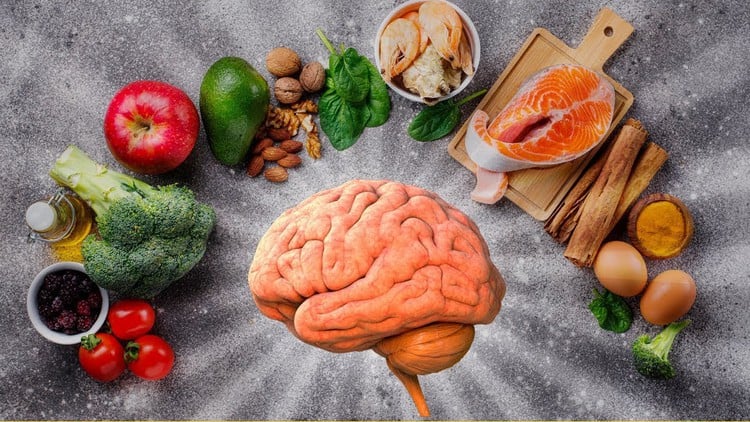
1. Eat More Fibre-Rich Foods for Gut Microbiome Support
A high-fibre diet is essential for feeding the good bacteria in your gut, known as prebiotics. These bacteria produce short-chain fatty acids (SCFAs) that reduce inflammation and support brain function. Prebiotics can even reduce stress hormones in humans. Examples of high-fibre foods that are good for your gut bacteria include,
- Oats
- Lentils
- Apples
- Chia seeds
- Artichokes
Discover The Truth About Genetics and Cancer: Should You Get Tested?
2. Add Fermented Foods to Boost Good Bacteria
Fermented foods are rich in live cultures, or probiotics, that enhance gut diversity. Studies show that fermented foods can alter brain activity. Furthermore, students experiencing examination stress have shown reduced physical stress symptoms as a potential benefit of fermented milk drinks.
Best Fermented Foods:
- Yoghurt with live cultures
- Kimchi
- Kefir
- Sauerkraut
- Miso
3. Incorporate Probiotics into Your Diet
While fermented foods are great, sometimes you need targeted probiotic strains to support specific mental health outcomes. Certain strains like Lactobacillus rhamnosus and Bifidobacterium longum have been linked to lower anxiety and depression levels.
Probiotic-Rich Foods:
- Pickles (naturally fermented)
- Tempeh
- Kombucha
- Probiotic yoghurt
4. Reduce the Intake of Processed Foods
Highly processed foods are loaded with refined sugars, trans fats, and artificial additives—all of which disrupt gut bacteria and promote inflammation, a key factor in depression.
What to Avoid:
- Sugary snacks
- Soda
- Packaged fast food
- White bread
- Fried foods
5. Prioritise Whole Foods Diet
A whole foods diet filled with nutrient-dense ingredients helps reduce inflammation and supplies your body with the building blocks needed to produce neurotransmitters like serotonin and dopamine.
Mental Health-Friendly Foods:
- Leafy greens (spinach, kale)
- Fatty fish (salmon, sardines)
- Whole grains (brown rice, quinoa)
- Berries and citrus fruits
- Nuts and seeds
Related: 10 Cholesterol-Lowering Foods Everyone Should Own in Their Kitchen
6. Adopt an Inclusive Dietary Approach
Instead of restrictive dieting, it is best to adopt an inclusive approach to your diet. Here are some dietary measures you should consider adopting:
- Mediterranean Diet: A Mediterranean diet can potentially reduce depression and improve psychological symptoms in people with irritable bowel syndrome. Specifically, a Mediterranean diet is one that is rich in legumes, nuts and seeds, fish, olive oil, and small quantities of red meat.
- Omega-3 Fats: These fats have been shown to increase good bacteria in the gut. Moreover, omega-3s help to reduce the risk of brain disorders. You can find them in oily fish.
- Polyphenol-Rich Foods: Gut bacteria can digest polyphenols – plant chemicals – and thus help to improve cognition. Examples of polyphenol-rich foods include coffee, olive oil, cocoa, and green tea.
- Tryptophan-Rich Foods: The amino acid tryptophan is usually converted into a neurotransmitter called serotonin. Typical food sources of tryptophan include eggs, cheese, and turkey.
Foods to Avoid for Mental Well-Being
It is important that you avoid the following as you take measures to improve your diet:
- Excess Intake of Alcohol and Nicotine: Too much of these substances can disrupt the health of your gut and potentially affect your mental health.
- Unhealthy Fats, Salty and Sugary Foods: A diet that contains too much salt, sugar, and unhealthy fats can affect the brain and may lead to a smaller hippocampus. This can negatively impact learning and memory.
Discover 5 Morning Mindfulness Routines to Start Your Day Right
Nourish Your Gut for Improved Mental Health
From this article, you have learned that enhancing the gut-brain connection through dietary changes can significantly improve your mental health. You can prioritise fibre-rich foods, fermented products, and whole foods and minimise processed options to cultivate a healthier gut microbiome. In turn, this will help you to improve mood regulation and cognitive function. Remember, small adjustments to your diet can have profound effects on your overall well-being.
You can start today by taking these steps to improve your gut health and pave the way for better mental well-being through mindful eating!
