


Introduction: The Lifeline of Hydration
Water is often overlooked in our busy lives, yet it is an essential element that sustains every cell in our bodies. Despite its importance, many people struggle to stay adequately hydrated, leading to fatigue, decreased concentration, and various health issues. In a world where we are constantly on the go, finding ways to maintain proper hydration can be challenging.
However, understanding and prioritizing hydration can transform our daily lives, enhancing both physical and mental well-being. This article explores five practical tips to help you stay hydrated throughout the day, ensuring that your body functions optimally and you feel your best.
- Start Your Day with Water
The way you start your day sets the tone for the hours ahead, and hydration should be a priority from the moment you wake up. After hours of sleep, your body is naturally dehydrated, and a glass of water can help replenish lost fluids.

This simple habit not only rehydrates but also jumpstarts your metabolism and prepares your digestive system for the day. A good practice is to place a glass of water beside your bed before going to sleep, making it easy to reach for as soon as you wake up.
Adding a slice of lemon can enhance the flavor and provide a small boost of vitamin C, which supports your immune system. Starting your day with water is a gentle reminder to prioritize hydration, setting a positive tone for the rest of the day. For more information on the benefits of drinking water first thing in the morning, check out Healthline’s article on morning hydration.
Carry a Water Bottle with You
One of the most effective ways to ensure consistent hydration is by carrying a water bottle with you at all times. This not only serves as a constant reminder to drink but also makes it convenient to sip water throughout the day, regardless of where you are. The type of water bottle you choose can make a difference—opt for a reusable one that you find appealing and easy to carry. Consider bottles with measurement markers, which can help track your water intake.

If you struggle to remember to drink water, set reminders on your phone or use apps designed to track hydration.
The goal is to make drinking water an effortless part of your routine, helping you avoid dehydration and its unpleasant effects. For recommendations on the best reusable water bottles, visit The New York Times’ Wirecutter guide.
- Infuse Your Water with Flavor
Plain water can sometimes seem boring, leading many to opt for sugary or caffeinated beverages instead. Infusing water with natural flavors is a simple way to make hydration more enjoyable.
Fresh fruits, herbs, and even vegetables can add a burst of flavor without added sugars or artificial ingredients. Popular combinations include cucumber and mint, lemon and ginger, or berries and basil.
Not only do these infusions enhance the taste, but they also offer additional nutrients and antioxidants, contributing to overall health. Preparing infused water in advance and storing it in the fridge can provide a refreshing and healthy alternative to other drinks. For creative infusion ideas, check out BBC Good Food’s flavored water recipes.
Eat Hydrating Foods
Hydration isn’t limited to the liquids you drink; the foods you consume can also contribute significantly to your daily water intake. Many fruits and vegetables have high water content and can be delicious, hydrating additions to your diet.
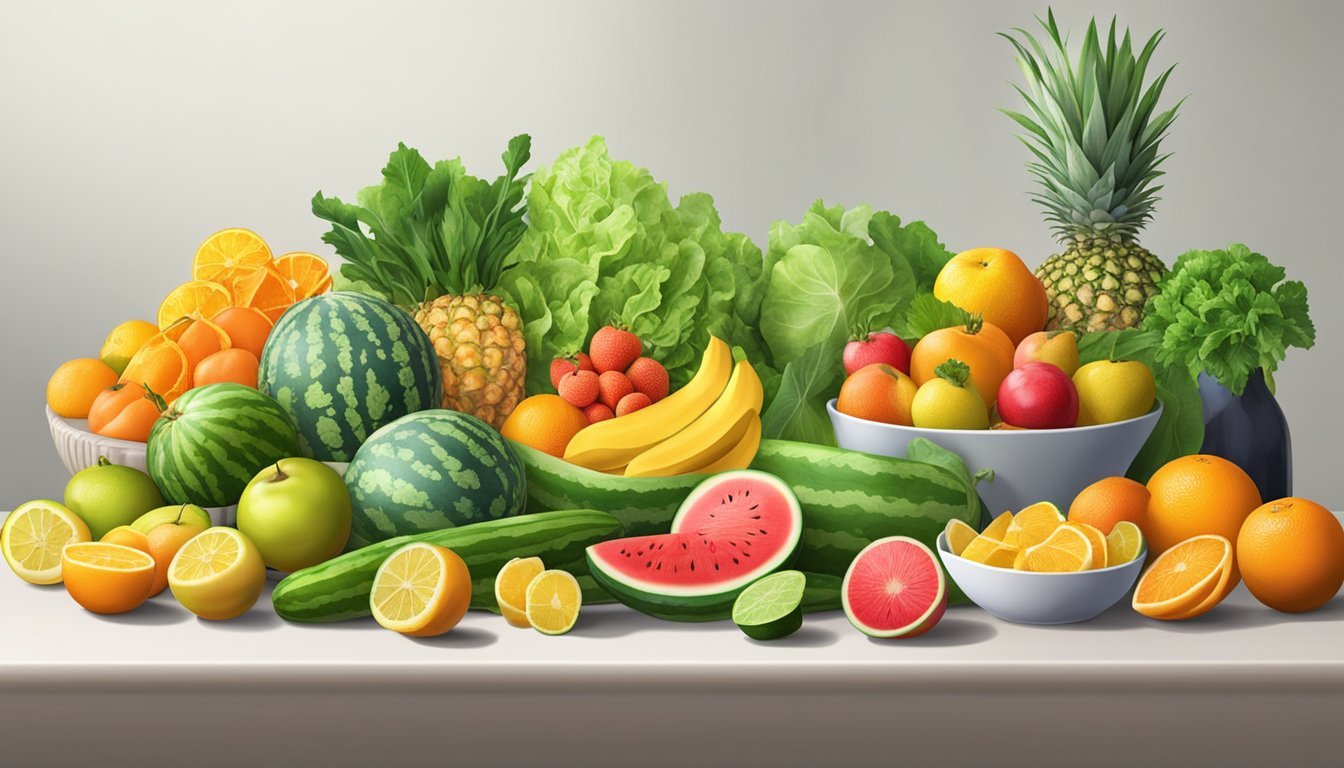
Foods like watermelon, cucumber, oranges, and strawberries are particularly hydrating and also provide essential vitamins and minerals. Incorporating these foods into your meals and snacks can help you stay hydrated without always reaching for your water bottle.
Salads, smoothies, and soups are excellent ways to integrate hydrating foods into your diet. Not only do they keep you hydrated, but they also support a balanced diet rich in nutrients. Learn more about hydrating foods at EatingWell’s guide to hydrating foods.
Listen to Your Body’s Signals
Understanding and responding to your body’s signals is crucial for maintaining proper hydration. Thirst is an obvious sign, but it shouldn’t be the only indicator you rely on, as it often means you’re already slightly dehydrated.
Other signs include dry mouth, fatigue, dizziness, and dark-colored urine. It’s important to be proactive about hydration, especially in hot weather or when engaging in physical activities, as these conditions increase the body’s need for water.
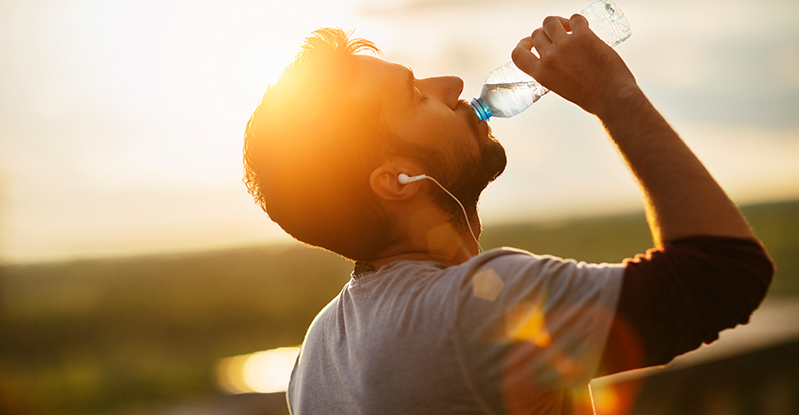
Pay attention to how your body feels and make it a habit to drink water regularly, even if you don’t feel thirsty. This approach ensures that you stay hydrated and maintain optimal bodily functions. For a deeper understanding of hydration and its effects, visit Mayo Clinic’s hydration guidelines.
Wrapping Up
Staying hydrated is a simple yet powerful way to enhance your health and well-being. By incorporating these tips into your daily routine, you can make hydration a natural and effortless part of your lifestyle.
Remember, water is not just a beverage; it’s a vital component that supports every aspect of your health, from physical energy to mental clarity. In a world where we often prioritize convenience and speed, taking the time to focus on hydration is a form of self-care that pays significant dividends.
Whether you’re starting your day with a glass of water, enjoying a fruit-infused beverage, or eating a hydrating meal, these small actions collectively make a big difference. Prioritize your hydration, and you’ll not only feel better but also perform at your best, both physically and mentally.
For more tips on hydration, visit Mayo Clinic’s Guide to Water Intake.
