
Cholesterol, often referred to as the silent killer, plays a pivotal role in our health, yet its complexities are often misunderstood. In recent decades, cholesterol has become synonymous with heart disease and strokes, prompting widespread concern and confusion.
However, not all cholesterol is created equal. Understanding the distinction between “good” and “bad” cholesterol, and how they impact our cardiovascular health, is crucial for making informed decisions about our well-being.
What is Cholesterol?
Cholesterol is a waxy, fat-like substance found in every cell of our bodies. It’s essential for the production of hormones, vitamin D, and the digestion of fats.
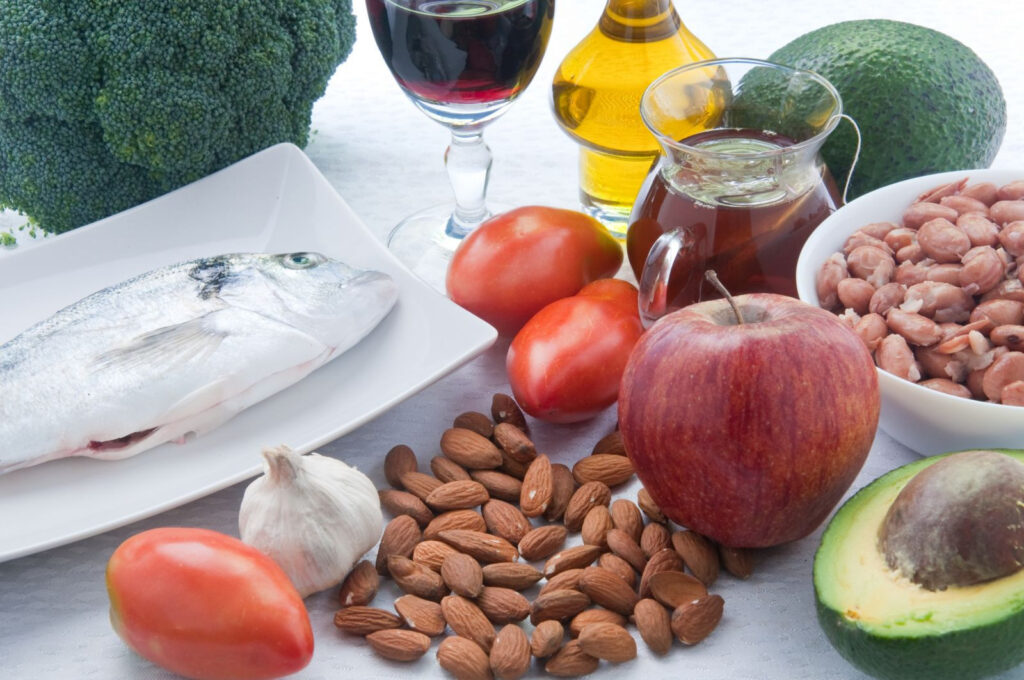
Our liver produces most of the cholesterol we need, but we also get cholesterol from certain foods like eggs, meat, and dairy products. Cholesterol travels through our bloodstream in small packages called lipoproteins, which can be categorized into two main types: low-density lipoprotein (LDL) and high-density lipoprotein (HDL).
LDL Cholesterol: The Bad Guy

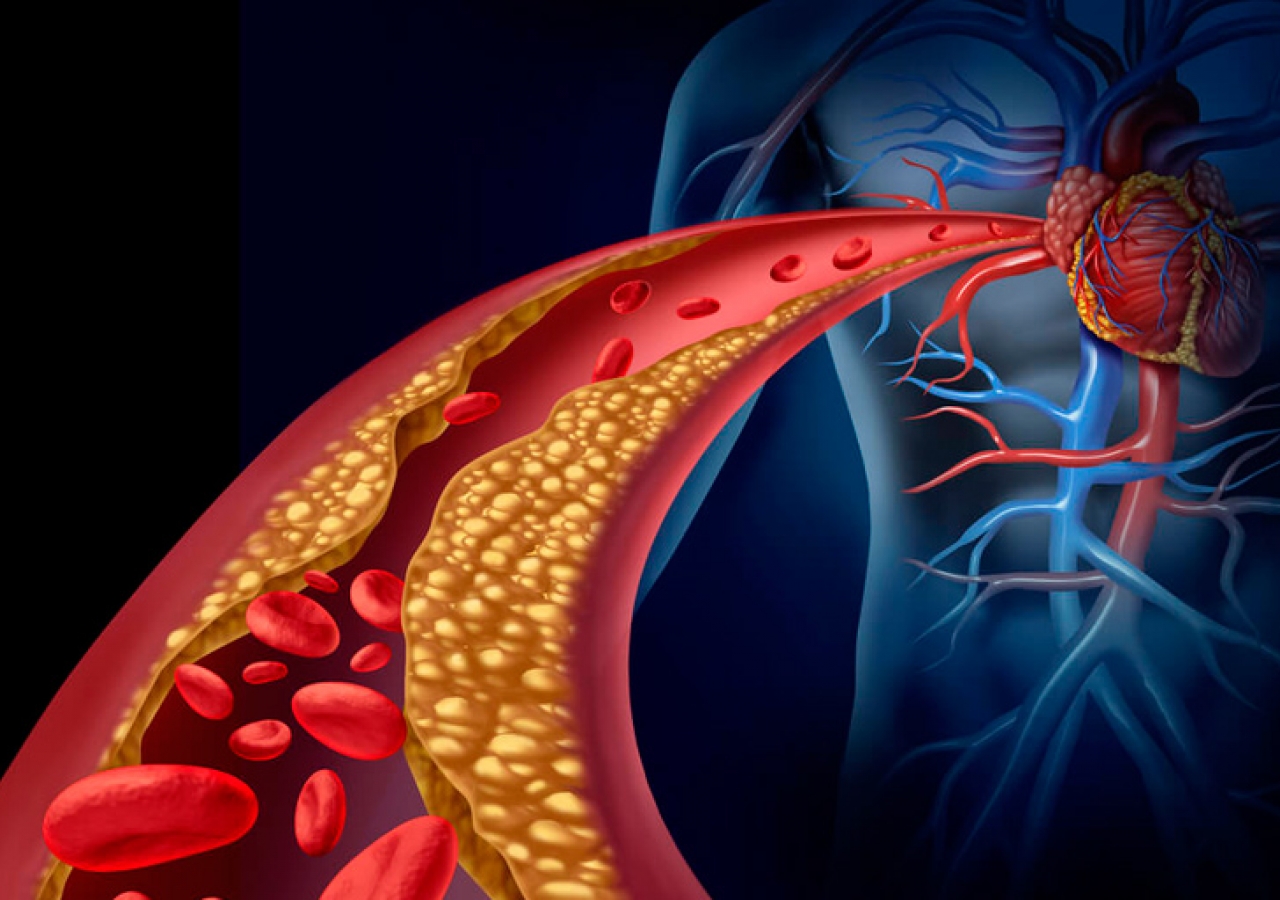
Low-density lipoprotein (LDL) cholesterol is often dubbed the “bad” cholesterol. It carries cholesterol particles throughout the body, depositing them in the walls of arteries. Over time, these deposits can build up, forming plaques that narrow and harden the arteries—a condition known as atherosclerosis. This narrowing restricts blood flow to vital organs, including the heart and brain, increasing the risk of heart disease and stroke.
HDL Cholesterol: The Good Protector

In contrast, high-density lipoprotein (HDL) cholesterol is referred to as the “good” cholesterol. HDL particles help remove LDL cholesterol from the bloodstream, transporting it back to the liver where it can be processed and eliminated from the body. High levels of HDL are associated with a lower risk of heart disease because they help prevent the buildup of plaque in the arteries.
The Role of Genetics and Lifestyle
Genetics play a significant role in determining cholesterol levels. Some people inherit genes that cause them to produce too much LDL cholesterol or too little HDL cholesterol. However, lifestyle factors also heavily influence cholesterol levels. Poor dietary choices, lack of exercise, smoking, and excessive alcohol consumption can all contribute to high LDL and low HDL cholesterol levels.
Understanding Your Cholesterol Numbers
To assess your cholesterol levels and overall cardiovascular risk, doctors often measure:
- Total Cholesterol: This includes both LDL and HDL cholesterol.
- LDL Cholesterol: The primary target for cholesterol-lowering treatments.
- HDL Cholesterol: Higher levels are desirable.
- Triglycerides: Another type of fat in the blood that can increase heart disease risk when elevated. For more detailed information, you can visit Mayo Clinic’s guide on cholesterol tests.
Impact on Heart Health
High levels of LDL cholesterol are a major risk factor for heart disease. When LDL cholesterol builds up in the arteries, it can lead to blockages that reduce blood flow to the heart muscle.
This reduction in blood flow can cause chest pain (angina) or, if severe, a heart attack. Conversely, maintaining healthy levels of HDL cholesterol is protective against heart disease. HDL helps remove LDL cholesterol from the bloodstream, reducing the risk of plaque formation and maintaining arterial health.